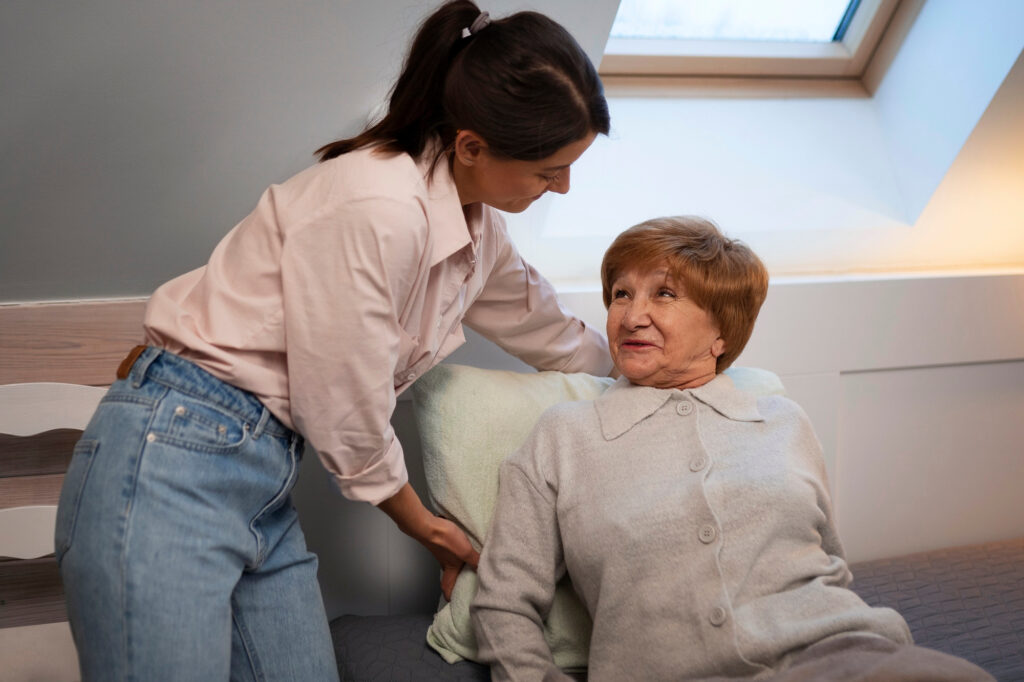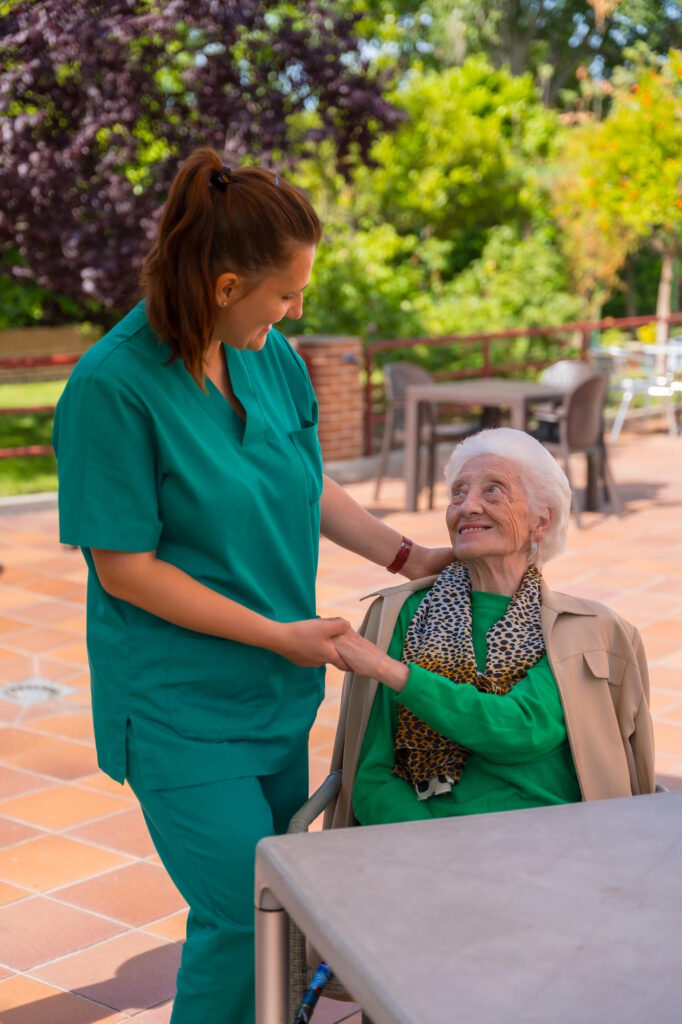
Long-term physical disabilities have a significant negative impact on various parts of the body. They limit physical capabilities such as walking, using hands and arms, sitting, standing, or controlling muscles. Muscular, nervous, and motor problems cause these disabilities. These physical disabilities can significantly limit an individual's ability
Physical disabilities can develop from genetic factors or be present at birth due to genetic issues, birth injuries, or muscle cell abnormalities. On the other hand, physical disabilities may also arise from accidents, injuries, infections, diseases, or medical conditions such as strokes or dementia; these are known as acquired disabilities.
Physical disabilities fall into two main groups. The first one involves musculoskeletal disabilities, which affect the way you move, stand, walk, and move. An injury or health problem can affect the muscles, bones, and joints in this system, leading to a physical disability. A well-known example of is muscular dystrophy limb loss.
Stroke
Stroke is when blood stops flowing to your brain when it should be going there. This can happen if there's a blood clot in a blood vessel, or if the blood vessel bursts. If your brain doesn't get the oxygen it needs, then it can't send the right signals to the right places. And if this happens, then you might have a hard time moving, seeing, or even remembering stuff.
Cerebral palsy
Early childhood marks the onset of a group of long-lasting or permanent movement disorders known as cerebral palsy. These disorders are characterised by abnormal muscle tone, reflexes, or motor coordination and can range from mild to severe.
Acquired brain injury
Any damage to the brain that happens after birth and is unrelated to a congenital or degenerative disease is known as an acquired brain injury. The damage may be temporary or permanent and cause a partial or functional disability of psychological, physical, or both types, resulting in a diminished ability for self-control, self-sufficiency, or social integration. It can also disrupt behavioural, emotional, or cognitive functioning.
Arthritis
Arthritis is a condition in which the joints become inflamed. It causes pain, stiffness, and difficulty moving. This condition affects people of all ages, from children to the elderly. There are a variety of disabilities that affect many people and require different methods to improve their quality of life and freedom.
Epilepsy
Epilepsy is a condition that affects the nervous system directly, resulting in recurring seizures. These occurrences can differ greatly in the severity in which they manifest and the overall impact they have on the person experiencing the underlying condition.
Multiple Sclerosis (MS)
MS, or multiple sclerosis, is a condition that affects the brain and spinal cord, causing problems with movement, sensation, and balance. This can lead to fatigue, muscle fatigue, or problems with balance and mobility, such as difficulty walking.

Spina bifida
Spina bifida is a developmental abnormality in the spinal cord that causes gaps that lead to nerve exposure and mobility issues.
Spinal cord injury
A spinal cord injury often results in paralysis, or the loss of control over your body and limbs. It impairs the body's basic and essential motor and sensory functions.
Moving and Staying Still
When you're having trouble moving around or staying steady on your feet, our therapists and doctors can assist you.
Communication
supporting people who have trouble speaking, including providing access to therapy and other ways to communicate.
Mental Health Support
Addressing mental health concerns and promoting emotional well-being through counselling, therapy, and social activities.
Stimulation
Encouraging engagement in stimulating activities can support your brain health and overall happiness.
Medication Support:
- Ensuring timely and accurate dosage
- Medication schedules are monitored
- Helping with medication management
Mobility Support:
- Assisting with walking and transferring
- Providing support for safe movement
- Offering encouragement and assistance as needed
Personal Care and Hygiene:
- Assisting with bathing and grooming
- Ensuring personal hygiene needs are met
- Providing dignified and respectful assistance
Running Errands:
- Complete tasks such as grocery shopping or pharmacy visits
- Handling miscellaneous errands as requested
- Ensuring the timely acquisition of necessary supplies

Companionship/Sitting Services:
- Offering social interaction and emotional support
- Engaging in meaningful conversations and activities
- Providing company and reassurance during periods of solitude

Grocery Shopping:
- Assisting with creating shopping lists
- Providing accompany to grocery stores or assist with online orders
- Helping to unload and organise purchased items

General welfare checks
- Assessing overall well-being and health status
- We conduct regular check-ins to assess comfort and safety
- Notifying appropriate parties of any concerns or changes

Household Tasks:
- Assisting with minor housekeeping tasks
- Performing tasks such as laundry and meal preparation
- Maintaining a clean and organised living environment